K-Beauty Routine for Oily Skin: Full 5-Step Breakdown
Why Oily Skin Needs a Different Approach to K-Beauty
The standard K-beauty routine advice — layer as many hydrating products as possible — was not written for oily skin. For high-sebum skin types, the emphasis on rich essences, multiple toning steps, and heavy moisturizers creates more problems than it solves. The right K-beauty routine for oily skin looks quite different: fewer steps, lighter textures, and a strategic focus on sebum regulation rather than moisture addition.
The good news is that K-beauty has some of the most effective oily skin formulations in the world. Korean skincare brands have been solving this problem for decades for a market where humid summers and high-pollution urban environments make sebum management a genuine daily challenge.
Understanding Oily Skin Before Building a Routine
Oily skin produces excess sebum through overactive sebaceous glands. This can be genetic, hormonal, or triggered by dehydration — when the skin lacks water, sebaceous glands compensate by producing more oil. This means that some people who believe they have oily skin actually have dehydrated skin producing excess sebum in response, and their skin type normalizes with consistent hydration.
The distinction matters for routine building. True oily skin benefits from oil-controlling ingredients like salicylic acid, niacinamide, and clay. Dehydrated skin masquerading as oily skin benefits primarily from lightweight hydration. If you’ve tried oil-control products and found they made your skin drier and oilier simultaneously, dehydration is likely the underlying issue.
The Complete 5-Step K-Beauty Routine for Oily Skin
Step 1: Oil Cleanser (Evening Only)
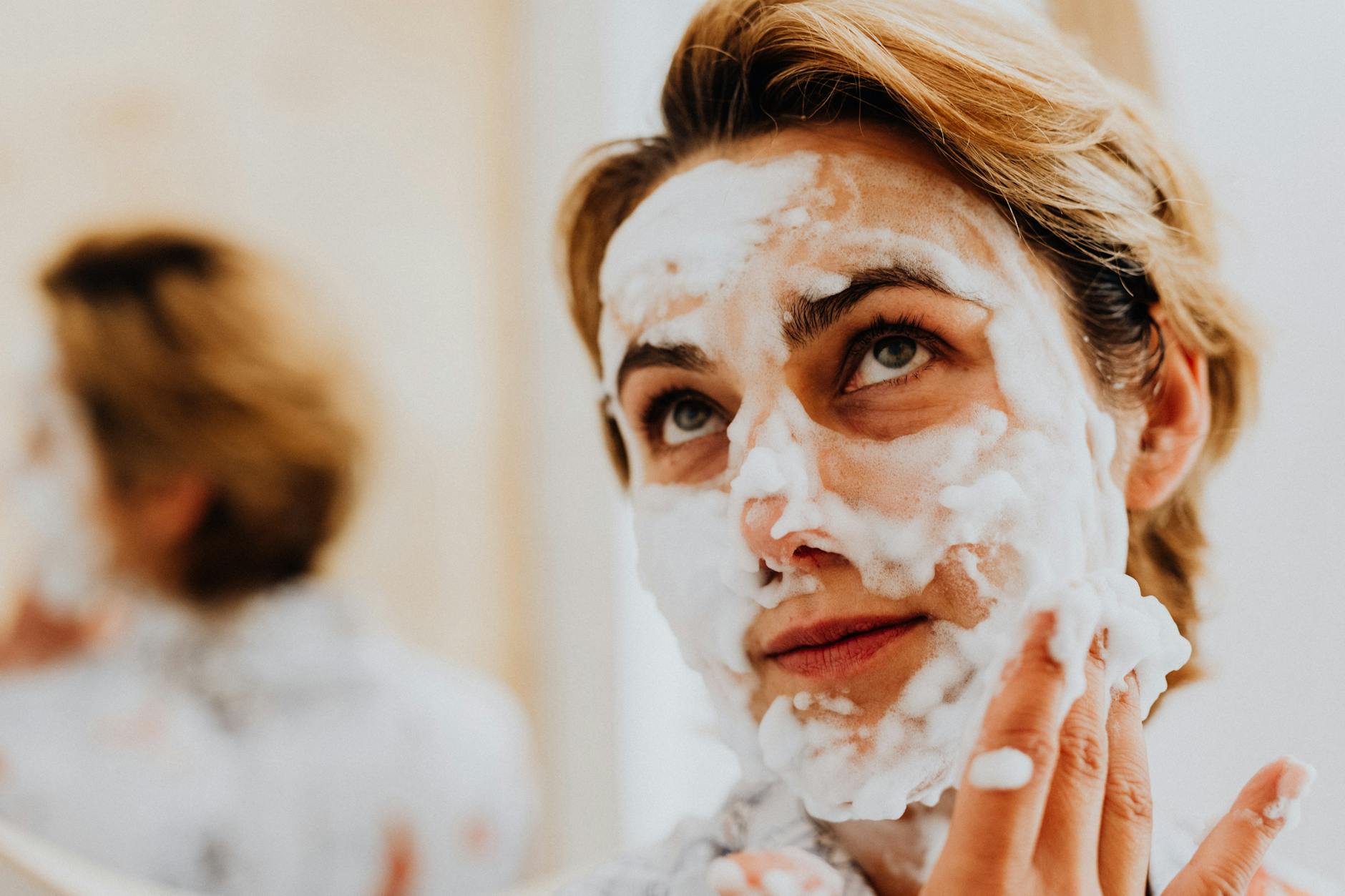
Double cleansing — using an oil cleanser followed by a water-based cleanser — is a K-beauty staple, but it requires adaptation for oily skin. The concern that oil cleansers will add more oil to already-oily skin is unfounded: oil cleansers work on the principle that like dissolves like, removing sebum, sunscreen, and makeup more effectively than water-based cleansers alone.
For oily skin, choose a lightweight oil cleanser that emulsifies quickly and rinses completely clean. Avoid oil cleansers with heavy plant oils like coconut oil or olive oil, which can clog pores. The Heimish All Clean Balm and the Banila Co Clean It Zero are both well-formulated options that emulsify immediately on contact with water and leave no residue.
Use this step in the evening only — morning double cleansing strips more oil than oily skin can comfortably replace in a day.
Step 2: Water-Based Cleanser
The second cleanse removes water-soluble impurities, sweat, and any residue left by the oil cleanser. For oily skin, this step is where the most important ingredient decision happens: pH.
The COSRX Low pH Good Morning Gel Cleanser at pH 5.0 is the gold standard for oily skin. At this pH, it cleans thoroughly without disrupting the skin’s acid mantle — the protective film that sits at pH 4.5 to 5.5. Higher-pH cleansers (most Western foaming cleansers sit above pH 7) strip this mantle, triggering compensatory sebum production that makes oily skin worse over time.
Use your water-based cleanser morning and evening. In the morning, skip the oil cleanse and use just the water-based cleanser — this is sufficient to remove overnight sebum without over-stripping.
Step 3: BHA Exfoliant (3–4 Times Per Week)
Beta hydroxy acid (BHA) — specifically salicylic acid and its derivatives — is the most important active ingredient for oily skin. Unlike AHAs which work on the skin surface, BHA is oil-soluble and penetrates into sebaceous glands, dissolving the oxidized sebum that forms blackheads and the dead cell debris that clogs pores.
The COSRX BHA Blackhead Power Liquid uses betaine salicylate at 4% — a gentler BHA derivative that’s less irritating than pure salicylic acid while maintaining effectiveness. Apply it on dry skin after cleansing, wait 15–20 minutes for it to work at the correct pH, then continue your routine.
Start with three applications per week and increase to daily only if your skin tolerates it well. Over-exfoliation compromises the skin barrier and triggers more oil production — the opposite of the intended effect. Available on Amazon.
Step 4: Lightweight Hydrating Toner
This is the step most oily skin routines skip, and skipping it is a mistake. Hydration and oil production are separate systems — oily skin can be simultaneously dehydrated, and dehydrated oily skin produces more sebum as a stress response.
Choose a watery, lightweight toner with humectants (hyaluronic acid, glycerin, panthenol) and without occlusive oils or heavy emollients. The Some By Mi AHA BHA PHA 30 Days Miracle Toner provides gentle exfoliation alongside hydration and is well-tolerated by oily skin. The Klairs Supple Preparation Unscented Toner is an excellent pure-hydration option with no actives.
Apply with clean hands rather than a cotton pad — less product waste and no dragging on the skin. Pat rather than wipe.
Step 5: Oil-Free Moisturizer + SPF
Oily skin needs moisturizer. The sebum your skin produces is not the same as topical moisturization — sebum is an occlusive that reduces water loss, but it doesn’t hydrate the skin. An oil-free, water-based moisturizer provides the hydration that prevents compensatory sebum production without adding any occlusive layer.
The COSRX Oil-Free Ultra-Moisturizing Lotion with Birch Sap absorbs in under 30 seconds and leaves a matte finish on most skin types. The Belif The True Cream Aqua Bomb is a gel-cream that provides stronger hydration for oily skin that also runs dehydrated.
In the morning, your moisturizer should be followed immediately by SPF. For oily skin, the Beauty of Joseon Relief Sun provides SPF 50+ PA++++ with a moderate mattifying effect and niacinamide for sebum regulation. It layers smoothly under makeup and doesn’t pill with most foundations. Find it on Amazon.
The Complete Routine at a Glance
Morning: Water-based cleanser → lightweight toner → oil-free moisturizer → SPF
Evening: Oil cleanser → water-based cleanser → BHA exfoliant (3–4x weekly) → lightweight toner → oil-free moisturizer
Ingredients to Prioritize for Oily Skin
Beyond the routine structure, certain ingredients consistently deliver results for oily skin and are worth seeking out across all your products.
Niacinamide is the most evidence-backed ingredient for sebum regulation. At concentrations of 2–5%, it measurably reduces sebum excretion rate with consistent daily use over 8–12 weeks. It also reduces pore appearance and addresses post-inflammatory hyperpigmentation from breakouts. The COSRX BHA Blackhead Power Liquid, the Beauty of Joseon Relief Sun, and many other K-beauty products include niacinamide — building it into multiple routine steps compounds the sebum-regulating benefit.
Centella asiatica (also called cica) is relevant for oily skin because oily skin types are often acne-prone, and centella has strong anti-inflammatory evidence. It calms active breakouts and accelerates healing of post-breakout marks. The Skin1004 Madagascar Centella range is the most ingredient-concentrated option.
Propolis has antimicrobial properties that address the bacterial component of acne. The COSRX Full Fit Propolis Light Ampoule is a lightweight serum that layers well in oily skin routines without adding grease.
Ingredients to Avoid for Oily Skin
Certain ingredients consistently cause problems for oily and acne-prone skin. Heavy plant oils — coconut oil, olive oil, marula oil, rosehip oil — are highly comedogenic and should be avoided entirely in products that stay on the skin. They’re fine in rinse-off cleansers but problematic in toners, essences, and moisturizers.
Alcohol denat (denatured alcohol) is a common ingredient in Korean toners marketed for oily skin on the premise that it controls oil. It does reduce oil in the short term, but it compromises the skin barrier, triggering rebound sebum production that makes oily skin worse over time. Avoid any toner or essence with alcohol denat in the first five ingredients.
Silicones in moisturizers — dimethicone, cyclopentasiloxane — are not comedogenic but can trap other pore-clogging ingredients against the skin. They’re generally fine in sunscreens and are actually beneficial for reducing the white cast of some SPF formulas, but in moisturizers they provide no skincare benefit for oily skin and can interfere with ingredient absorption.
Managing Midday Shine
Even a well-optimized routine doesn’t eliminate shine entirely for genuinely oily skin — it reduces and delays it. Managing midday shine without disrupting your morning skincare routine requires the right tools.
Blotting papers remove surface sebum without disturbing makeup or sunscreen. They’re more effective than pressed powder for pure oil removal. The Innisfree No Sebum Mineral Powder can be applied over makeup to extend the matte window, but use it sparingly — heavy powder application over sunscreen reduces SPF efficacy.
Reapplying sunscreen at midday is best done with a sunscreen spray or cushion compact rather than a tube formula, which requires blending that moves makeup. The Missha All Around Safe Block Soft Finish Sun Milk is a low-residue option for reapplication over makeup.
What to Expect and When
A well-constructed K-beauty routine for oily skin produces changes on different timelines. Reduced surface oiliness and improved skin texture are typically noticeable within 2–3 weeks as the BHA clears congestion and the skin adjusts to consistent hydration. Measurable sebum reduction from niacinamide builds over 8–12 weeks. Blackhead clearing is gradual — consistent BHA use over 4–6 weeks produces cleaner pores than any single-session extraction.
The most important variable is consistency. Oily skin routines that work sporadically produce sporadically good results. Daily application of the same routine for three months is more effective than a complex routine applied inconsistently.
*Disclosure: This article contains affiliate links to Amazon Associates. We may earn a small commission if you purchase through our links, at no extra cost to you.*