The Korean Glass Skin Routine: Step-by-Step Guide for Radiant Skin
When I first started exploring Korean skincare, I kept coming across photos of people with skin that looked almost unreal — smooth, dewy, and so luminous it genuinely resembled glass. I remember thinking it had to be a filter or heavy-duty highlighter. It took me a while to realize that what I was seeing wasn’t makeup at all. It was just really, really well-hydrated skin.
That discovery changed how I thought about skincare entirely. Glass skin — the Korean beauty ideal of skin so clear and reflective it looks like polished glass — isn’t about coverage or shimmer. It’s about building your skin up from the inside through layers of hydration, barrier support, and consistent daily care until it has a natural luminosity that no highlighter can replicate.
I’ve spent years refining a glass skin routine, testing what works and what doesn’t, and this guide is everything I wish I’d known when I started. Whether you’re new to Korean skincare or you’ve been at it for a while and want to level up, this is the approach that actually delivers results.
What Is Glass Skin?
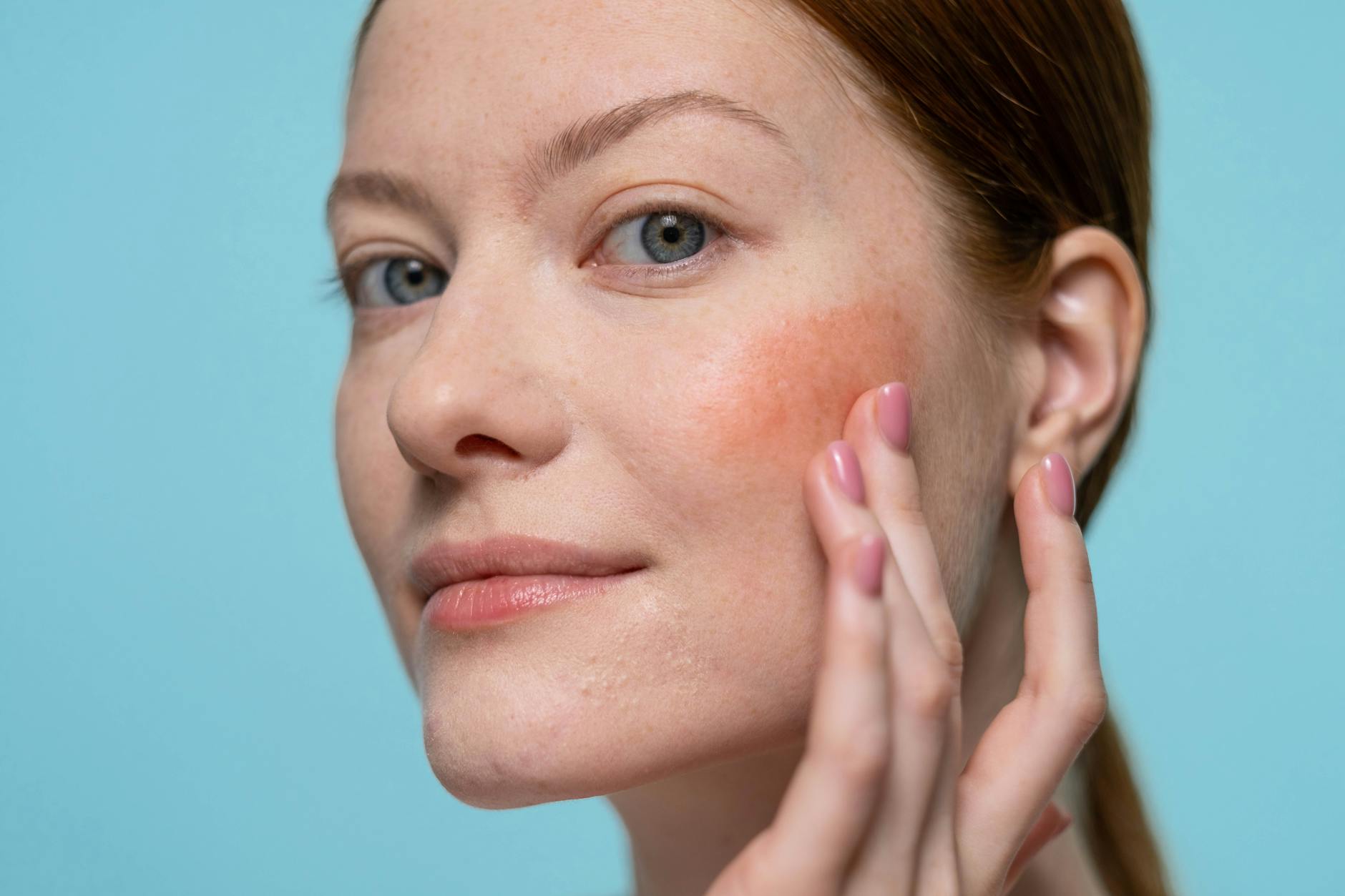
Glass skin is a Korean beauty ideal that describes skin with four specific qualities: a perfectly smooth texture, deep and lasting hydration, a luminous glow from within, and a strong, healthy skin barrier. The name comes from the visual effect — skin that’s so smooth and clear it almost reflects light like glass.
What makes this concept different from Western beauty ideals is that glass skin is fundamentally about skin health rather than appearance. The glow isn’t applied from the outside — it’s the result of skin that’s functioning optimally. When your skin barrier is intact and your cells are properly hydrated, skin naturally takes on a plump, translucent quality that the best highlighter in the world can only approximate.
This means glass skin is achievable for most skin types, including oily skin. In fact, many people with oily skin find that their skin becomes naturally more luminous — rather than greasy — once they address the dehydration that’s often driving excess oil production.
The Glass Skin Routine: Step by Step
The glass skin routine is built on a core principle: layer lightweight, hydrating products from thinnest to thickest, letting each layer absorb before adding the next. This building approach is what separates Korean skincare from a simple moisturize-and-go routine — it’s the cumulative hydration that creates the effect.
Step 1 — Gentle Cleanser
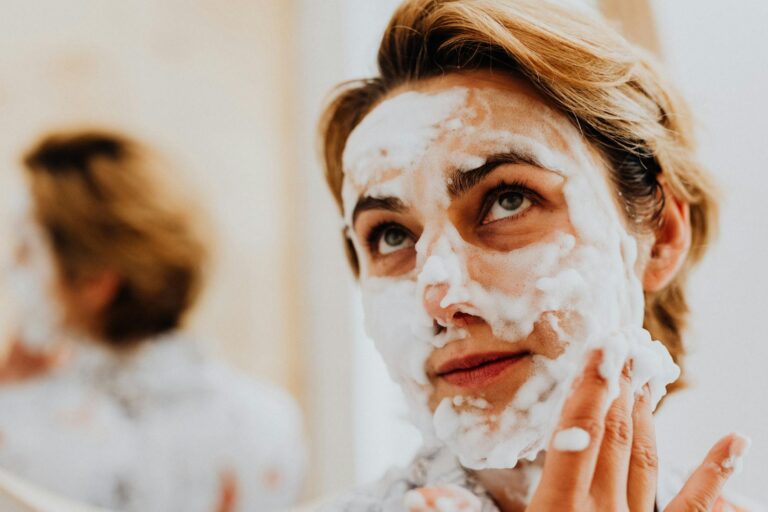
Glass skin starts with cleansing, and the key word is gentle. Harsh cleansers strip the skin’s acid mantle — the protective film that sits at pH 4.5 to 5.5 — which compromises your barrier before you’ve even started the hydrating steps. Everything you apply afterward works less effectively on disrupted skin.
What I like about the COSRX Low pH Good Morning Gel Cleanser is exactly what the name suggests: it’s formulated at pH 5.0, which means it cleans thoroughly without disturbing the skin’s natural environment. It lathers lightly, rinses completely clean, and never leaves that tight, stripped feeling that tells you your barrier just took a hit.
In the evening, add an oil cleanser first to remove sunscreen and any makeup before your water-based cleanser. The Beauty of Joseon Ginseng Cleansing Oil emulsifies beautifully with water and dissolves even stubborn SPF without leaving any residue. This double cleanse is non-negotiable for glass skin — you can’t build luminosity on a foundation of leftover sunscreen. Both available on Amazon.
Step 2 — Hydrating Toner
Korean toners are nothing like Western astringent toners. There’s no alcohol, no witch hazel, no stripping. A Korean hydrating toner is essentially the first hydration layer — a watery, lightweight formula that preps skin to absorb everything that follows.
Apply your toner to slightly damp skin and pat it in with your hands rather than wiping with a cotton pad. The patting motion warms the product slightly and encourages absorption in a way that swiping doesn’t. In my experience, this single technique change — hands instead of cotton — makes a noticeable difference in how the skin feels afterward.
The Round Lab Birch Juice Moisturizing Toner is outstanding for glass skin. Birch sap is rich in minerals and amino acids, and this toner has a watery texture that sinks in almost immediately, leaving skin feeling plump rather than just wet. The Klairs Supple Preparation Unscented Toner is another excellent option if your skin is sensitive — fragrance-free, gentle, and deeply hydrating. Find both on Amazon.
Step 3 — Essence
The essence is the heart of the Korean glass skin routine and the step that most dramatically changes skin texture with consistent use. Essences sit between toners and serums in consistency — thinner than a serum but more active than a toner — and they deliver concentrated hydrating and barrier-repairing ingredients at the moment when skin is most receptive.
When I first added an essence to my routine, I honestly wasn’t sure I’d notice a difference. Within two weeks the texture of my skin had changed in a way that was hard to ignore — smoother, softer, and with a quality I can only describe as plumpness that wasn’t there before.
The COSRX Advanced Snail 96 Mucin Power Essence is the product most responsible for introducing Western skincare enthusiasts to essences, and it earns its reputation. The 96% snail secretion filtrate concentration delivers simultaneous hydration, barrier repair, and gentle exfoliation. The texture is unusual — it strings slightly when you first apply it — but it absorbs completely and leaves no residue. Pat it in gently on damp skin. Available on Amazon.
Step 4 — Serum
The serum step is where you target your specific skin concerns on top of the hydration foundation you’ve built. For glass skin specifically, brightening and barrier-supporting serums deliver the most visible results.
Niacinamide is the ingredient I come back to most reliably for glass skin. At 5% concentration, it regulates sebum, fades post-inflammatory hyperpigmentation, and strengthens the skin barrier — all of which contribute directly to the smooth, even-toned appearance that glass skin requires. The COSRX The Niacinamide 15 Serum is one of the most potent options available, though if you’re new to niacinamide, start with a lower-concentration product and work up.
For a more glow-focused approach, the Beauty of Joseon Glow Serum combines propolis with niacinamide in a lightweight formula that adds visible luminosity over time. It layers beautifully without pilling and has a slightly tacky finish that helps subsequent products adhere well.
Step 5 — Moisturizer
After layering your hydrating steps, the moisturizer seals everything in. This is the occlusive layer that prevents the water you’ve just applied from evaporating — without it, hydrating toners and essences can actually draw moisture from deeper skin layers in dry environments, leaving skin drier than before.
For glass skin, choose a moisturizer that provides occlusion without heaviness. The Laneige Water Bank Blue Hyaluronic Cream is genuinely one of the best moisturizers I’ve used for this purpose — it has a whipped, airy texture that feels almost like nothing on the skin but creates a strong moisture seal that lasts through the day. The multiple molecular weights of hyaluronic acid work at different skin depths for layered hydration.
For oily skin, the Innisfree Green Tea Seed Serum works beautifully as a lighter alternative that provides hydration and antioxidant benefit without any heaviness. Both available on Amazon.
Step 6 — Sunscreen
Sunscreen is the glass skin step that most people underestimate, and it’s the one that makes or breaks long-term results. UV damage causes hyperpigmentation, breaks down collagen, and compromises the skin barrier — it undoes everything else you’re doing. No amount of essence or serum compensates for skipping SPF.
Korean sunscreen formulations are in a different category from most Western SPF products. The Beauty of Joseon Relief Sun SPF 50+ PA++++ applies like a lightweight moisturizer and leaves a natural, slightly dewy finish that actually enhances the glass skin effect rather than dulling it. It contains niacinamide and rice extract for additional brightening benefit. Apply it as the last step in your morning routine and reapply every two hours of UV exposure. Available on Amazon.
Tips for Achieving Glass Skin
Prioritize hydration above everything else. Glass skin is fundamentally a hydration achievement. Before adding actives, brightening serums, or exfoliants, make sure your basic hydration routine is working. Plump, well-hydrated skin responds to every other product better.
Layer products on damp skin. Apply each step while your skin is still slightly damp from the previous one. Humectants like hyaluronic acid and glycerin draw moisture from their environment — damp skin gives them water to work with rather than pulling from deeper layers.
Be patient with the timeline. Glass skin is not a one-week project. Hydration improvements are visible within days, but the smooth texture and genuine luminosity that define glass skin develop over 4 to 8 weeks of consistent daily practice. The routine is working even before you can see it clearly.
Use lightweight products and layer up rather than applying one heavy product. Multiple thin layers of lightweight products hydrate more effectively than a single thick one. The layering approach is what makes Korean skincare different — it’s not about the most expensive or the most concentrated product, it’s about the cumulative effect of consistent layers.
Protect what you’ve built. Every glass skin result you see is the product of days or weeks of consistent care. SPF protects that investment. Skipping it even occasionally undoes progress faster than any routine can rebuild it.
Common Mistakes to Avoid
Over-exfoliating. This is the most common glass skin mistake. Exfoliation has its place — chemical exfoliants improve texture and clarity — but overuse compromises the skin barrier, causing redness, sensitivity, and a disrupted surface that looks anything but glass-like. For glass skin, exfoliate two to three times per week at most, and always follow with extra hydration.
Using too many products at once. A 10-step routine doesn’t produce better results than a 6-step routine if the products conflict or the skin becomes overwhelmed. Introduce new products one at a time, wait two weeks, then assess before adding more. Simplicity executed consistently outperforms complexity applied haphazardly.
Skipping the essence step. Many people building their first Korean routine skip the essence because it seems redundant after toning. In my experience, the essence is often the single most impactful step for glass skin texture — it’s worth adding even if you simplify everything else.
Applying products to completely dry skin. Humectants need water to function. Apply toner, essence, and serum to slightly damp skin — just patted dry from cleansing, or lightly misted — rather than fully dry skin for noticeably better absorption and effect.
Expecting sunscreen to feel heavy. If you’re skipping SPF because you dislike the texture of the sunscreens you’ve tried, try a Korean formulation. The Beauty of Joseon Relief Sun or the Skin1004 Madagascar Centella Ampoule Sun Cream apply like skincare, not like sun protection. Finding an SPF you actually enjoy wearing removes the last barrier to the habit that matters most.
Final Thoughts
Glass skin is achievable. Not for a few people with naturally perfect complexions — for most people who commit to the right routine consistently. The luminous, smooth, hydrated skin you see in Korean beauty content is the result of a specific approach applied daily over weeks and months, not a genetic lottery.
Start with the foundation: a gentle cleanser, a hydrating toner, an essence, and SPF. Add a serum and moisturizer as your second step. Apply consistently, apply on damp skin, and give the routine time to work. The glass skin effect builds gradually and then suddenly — one morning you’ll look in the mirror and notice that your skin has a quality it didn’t have before.
That’s when Korean skincare stops feeling like a routine and starts feeling like something you’d never go back from.
*Disclosure: This article contains affiliate links to Amazon Associates. We may earn a small commission if you purchase through our links, at no extra cost to you.*
About the Author: Mia Seo is the founder of Korean Beauty Lab and enjoys researching Korean skincare ingredients and routines. She focuses on simple, effective routines that help readers achieve healthy, glowing skin.