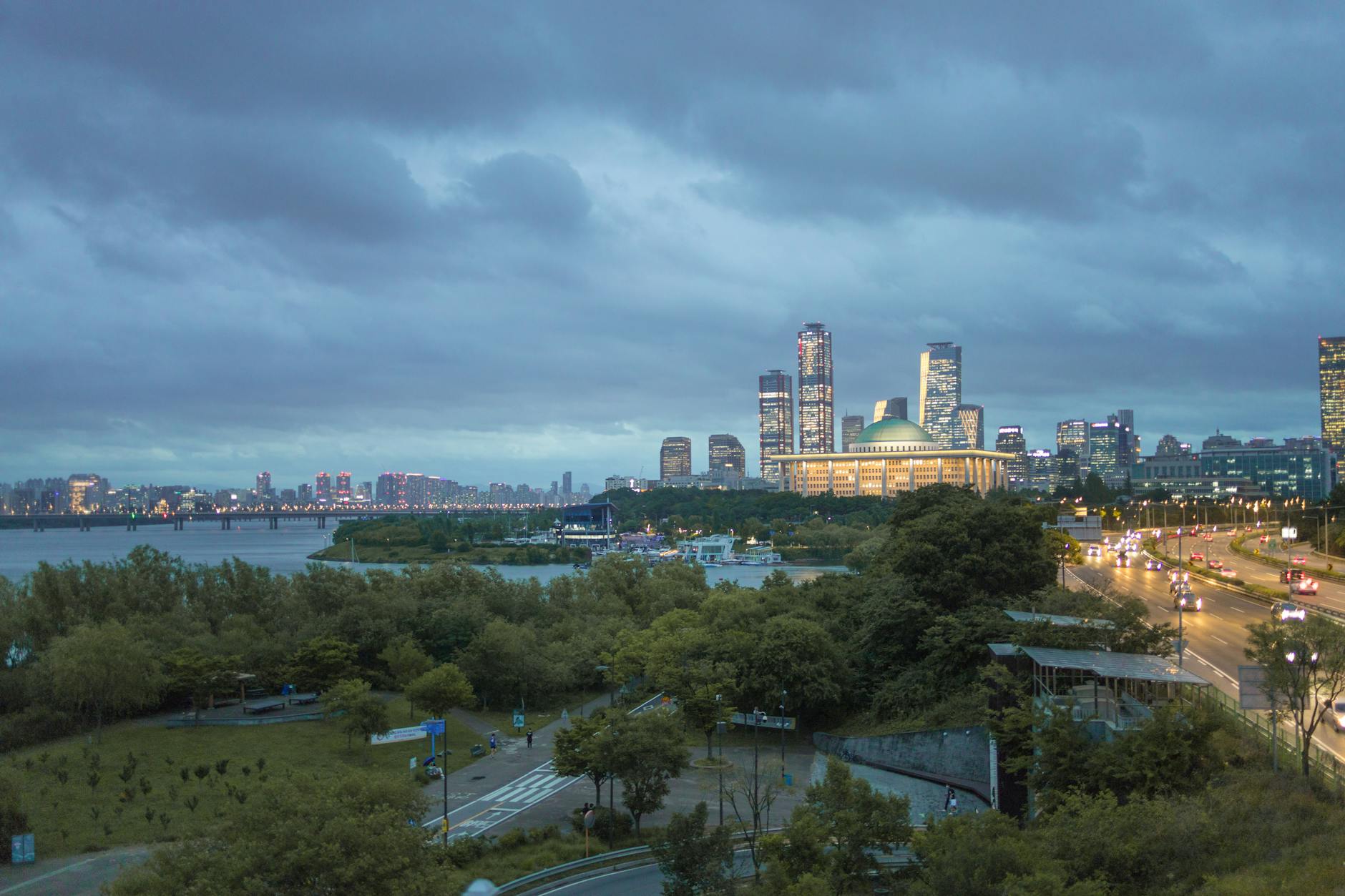
Korea Skincare Tourism: Best Clinics and Procedures for a Week-Long Trip
Korea Is the World’s Skincare Capital — Here’s How to Use It
Seoul has more dermatology clinics per square kilometer than any city on earth. Korean dermatologists train for some of the longest periods in the world, the equipment is cutting-edge, the treatments are priced at a fraction of what equivalent procedures cost in the United States or Europe, and the aesthetic philosophy — improve skin health rather than just alter appearance — aligns perfectly with everything K-beauty stands for.
For anyone serious about skincare, a week in Seoul built around skin treatment is one of the highest-return investments you can make in your skin. This guide covers exactly how to do it: the best clinic neighborhoods, the treatments worth traveling for, what to expect at each stage, and how to maintain your results once you’re home.
Why Korea for Skincare Tourism
The combination of factors that makes Korea uniquely suited for skincare tourism doesn’t exist anywhere else simultaneously. Dermatology is a prestigious specialty attracting top medical graduates. The domestic market is enormous and sophisticated — Korean consumers are among the most demanding skincare customers in the world, which drives constant innovation and quality. Competition keeps prices reasonable even at premium clinics. And the cultural emphasis on skin health means that treatment approaches are genuinely different: Korean dermatologists are focused on long-term skin quality improvement, not just symptom management.
A laser treatment that costs $800–$1,200 in New York or London typically costs $150–$300 in Seoul at an equivalent or superior clinic. A microneedling session that runs $400 in the US runs $80–$150 in Korea. A comprehensive consultation with a board-certified dermatologist, including skin analysis and a customized treatment plan, often costs less than $50.
The Best Clinic Neighborhoods in Seoul
Gangnam — The Gold Standard
Gangnam-gu, specifically the area around Apgujeong and Cheongdam, is the most concentrated cluster of premium dermatology and aesthetic clinics in Korea. This is where the most experienced practitioners, the newest equipment, and the highest standard of care is consistently found. The clinics here cater to both domestic patients and international medical tourists, with English-speaking staff at most established practices.
The tradeoff is price — Gangnam clinics charge more than other neighborhoods, though still significantly less than Western equivalents. For first-time visitors or anyone seeking more complex treatments, Gangnam is worth the premium for the certainty it provides.
Key streets to know: Apgujeong-ro and its side streets are lined with dermatology clinics. The area around Sinnonhyeon station has a particularly high concentration. Look for clinics on upper floors of buildings — Korean clinics often occupy floors 2–5 above street-level retail.
Sinchon and Hongdae — Value Without Compromise
The university neighborhoods around Yonsei University and Hongik University have a dense cluster of dermatology clinics that offer excellent quality at lower prices than Gangnam. These clinics compete heavily on price for a young domestic clientele that’s extremely knowledgeable about skincare — which means you can find sophisticated treatments at genuinely accessible price points.
English capability varies more here than in Gangnam, but most clinics serving international patients have at least one English-speaking staff member, and translation apps handle the rest reliably. For straightforward treatments like hydrafacials, chemical peels, and basic laser treatments, the Sinchon and Hongdae areas represent outstanding value.
Myeongdong — Convenient but Touristy
Myeongdong is Seoul’s most tourist-facing neighborhood and has clinics specifically designed for walk-in international patients. The convenience is real — you can browse the K-beauty stores, buy products, and fit in a treatment in the same afternoon. The quality is generally fine for basic treatments. However, for anything more complex or investment-worthy, the Gangnam and Sinchon clinics provide meaningfully better expertise.
The Best Treatments for a One-Week Trip
A week in Seoul gives you enough time for two to three treatments, spaced to allow for any redness or downtime to resolve before you fly home. The sequencing matters — some treatments should be done early in the week to allow recovery time, while others can be done on your final days.
Day 1–2: Skin Analysis and Consultation
Start with a comprehensive skin analysis before any treatment. Korean clinics use sophisticated diagnostic equipment — Wood’s lamp analysis, VISIA skin analysis systems, sebum measurement devices — that provides a detailed baseline of your skin condition including UV damage not visible to the naked eye, subclinical pigmentation, pore density, hydration levels, and barrier integrity.
This consultation shapes everything that follows. A good Korean dermatologist will look at your skin analysis results and tell you honestly which treatments will provide the most benefit for your specific skin rather than recommending the most profitable procedures. Ask specifically about your primary concerns and what timeline of improvement is realistic.
Budget $30–$80 for a comprehensive consultation at a reputable Gangnam clinic. Some clinics offer free consultations for patients who proceed with treatment.
Day 2–3: Laser Toning (Medlite or PicoSure)
Laser toning is the treatment most worth traveling to Korea for. It uses low-fluence Q-switched or picosecond lasers to address hyperpigmentation, melasma, post-inflammatory hyperpigmentation, and overall skin tone unevenness. The treatment has minimal downtime — some flushing and mild redness for a few hours — and produces visible brightening within one to two weeks.
Korean dermatologists have more experience with laser toning than practitioners in most other countries because the treatment was developed and refined in Korea for skin tones common in East Asia. The technique — multiple passes at lower energy rather than single passes at high energy — is more nuanced than how the same lasers are often used in Western clinics, and the results reflect this. A single session costs $80–$200 in Gangnam; a series of three sessions, which is what most dermatologists recommend for meaningful results, runs $200–$500 total.
Day 3–4: Aqua Peel or Hydrafacial
Aqua peel treatments — the Korean equivalent and often the originator of what the West calls hydrafacials — use vortex suction to simultaneously exfoliate, extract, and infuse skin with serums. The treatment addresses congestion, dehydration, and dullness in a single session with zero downtime. Your skin is immediately visibly clearer and more luminous afterward.
This is an ideal mid-trip treatment because there’s no recovery period — you can go directly from the clinic to dinner and your skin will look notably better. It’s also the treatment that translates most directly into your at-home K-beauty routine: the exfoliation and hydration principles are the same, just executed at a clinical intensity level. Cost: $50–$150 depending on the clinic and specific protocol.
Day 4–5: Microneedling with PRP or Growth Factor Serum
Microneedling creates controlled micro-injuries in the skin that trigger the wound-healing response — collagen synthesis, skin renewal, and increased absorption of topically applied actives. Korean clinics routinely combine microneedling with PRP (platelet-rich plasma derived from your own blood) or pharmaceutical-grade growth factor serums for enhanced results.
This treatment requires the most recovery time of the options in this guide — 24 to 48 hours of redness and sensitivity — so schedule it no later than day 4 or 5 to allow adequate recovery before your flight home. Flying within 24 hours of microneedling significantly increases infection risk. Cost: $100–$300 for microneedling with PRP in Gangnam, considerably less in other neighborhoods.
Day 6–7: Facial and Product Shopping
Save your final days for lower-intensity treatments and product shopping. A traditional Korean facial — typically including cleansing, steam, extractions, massage, sheet mask, and finishing serums — is a pleasant, low-risk way to close out your skin treatment week. Many of the same clinics that offer medical treatments also provide these facial services.
Dedicate time to the Olive Young stores throughout Seoul, which are the Korean equivalent of Sephora and stock the full range of K-beauty brands at Korean retail prices. Myeongdong’s Olive Young flagship is the largest single K-beauty retail space in existence. Stock up on products from brands you’ve tried in clinic — you’ll often find the same ingredients used in your treatments available in over-the-counter formulations at a fraction of the cost. Find many of these products also available on Amazon once you’re back home.
Recommended Clinics Worth Knowing
Rather than recommending specific clinics — which change ownership, staff, and quality over time — here’s how to evaluate any Korean dermatology clinic effectively.
Look for board certification displayed prominently — Korean dermatologists who are members of the Korean Dermatological Association display this credential. Check for before-and-after documentation of the specific treatments you’re interested in. Ask which doctor will perform your treatment — some clinics use nurses or technicians for laser treatments rather than dermatologists, which is fine for basic procedures but less ideal for complex skin concerns. Confirm that the clinic uses genuine brand-name equipment (Medlite, Fraxel, PicoSure, Thermage) rather than unlicensed Korean alternatives.
For finding reputable clinics, RealSelf’s Korea section, the HiKorea medical tourism platform, and the Korea Health Industry Development Institute’s official medical tourism registry are all reliable starting points. Many Seoul dermatology clinics now have English-language websites with online consultation booking that you can complete before your trip.
Before You Go: How to Prepare Your Skin
The week before any laser or microneedling treatment, stop all active ingredients — retinoids, AHAs, BHAs, and high-concentration vitamin C. Continue basic cleansing, moisturizing, and SPF. Arrive with a healthy skin barrier rather than freshly exfoliated skin.
Inform your dermatologist of every skincare product you’re using, any medications including supplements, and any history of cold sores (relevant for laser treatments which can trigger herpes simplex outbreaks in susceptible patients — prophylactic antivirals are typically prescribed). Be honest about previous cosmetic procedures including Botox and filler — timing matters for some laser treatments.
Maintaining Results at Home
The clinical treatments you receive in Korea work best when supported by a consistent K-beauty routine at home. The laser toning results are significantly extended by daily SPF use — UV exposure is the primary driver of melanin stimulation and will undo hyperpigmentation treatment faster than anything else. The microneedling collagen induction is supported by growth factor serums, peptide-rich essences, and consistent hydration.
The K-beauty products you bring home from Seoul — or order from Amazon afterward — are the maintenance layer that preserves and builds on what the clinical treatments started. This is where your at-home routine and your clinical skincare converge into a single coherent system.
Korea will change how you think about what’s possible for your skin. The combination of accessible clinical expertise and the world’s most sophisticated consumer skincare market creates a standard that’s genuinely difficult to replicate elsewhere. For anyone serious about skin health, it’s worth the trip.
*Disclosure: This article contains affiliate links to Amazon Associates. We may earn a small commission if you purchase through our links, at no extra cost to you.*